
If the campaign order ever gets fuzzy, this is the page to come back to. Ghostbusters: The Video Game is easier to remember than a lot of licensed action games because it has a strong sense of place. Each major mission feels like a proper Ghostbusters case, and the order of those cases does a lot of the story’s heavy lifting.
This is the clean mission map. It is the quickest way to remember where a chapter falls, what comes next, and which level first introduces a major location or threat.
This page tracks the main console and PC campaign order used by the core 2009 release and the remaster. If you want the broader branch hub for this version, start with the Realistic / HD Version Guide. If you want the wider page cluster for the title, head back to Ghostbusters: The Video Game.
Useful companion pages
- Realistic / HD Version Guide if you need the branch overview again.
- Realistic version transcript guide if you want the dialogue and cutscene order next to the mission list.
- Tools of the Trade and Tips for Rookie Ghostbusters if a fight or puzzle is giving you trouble.
- Tobin’s Spirit Guide for enemy lookups, plus Unlockables and Supplemental Data for bonus cleanup after the story.
Mission pages in order
- Disturbance Ground Zero
- The museum opening, the Rookie’s first field job, and the point where the Shandor problem starts showing its hand.
- Welcome to the Sedgewick Hotel
- The early Slimer mission and the game’s first full haunted-hotel case file.
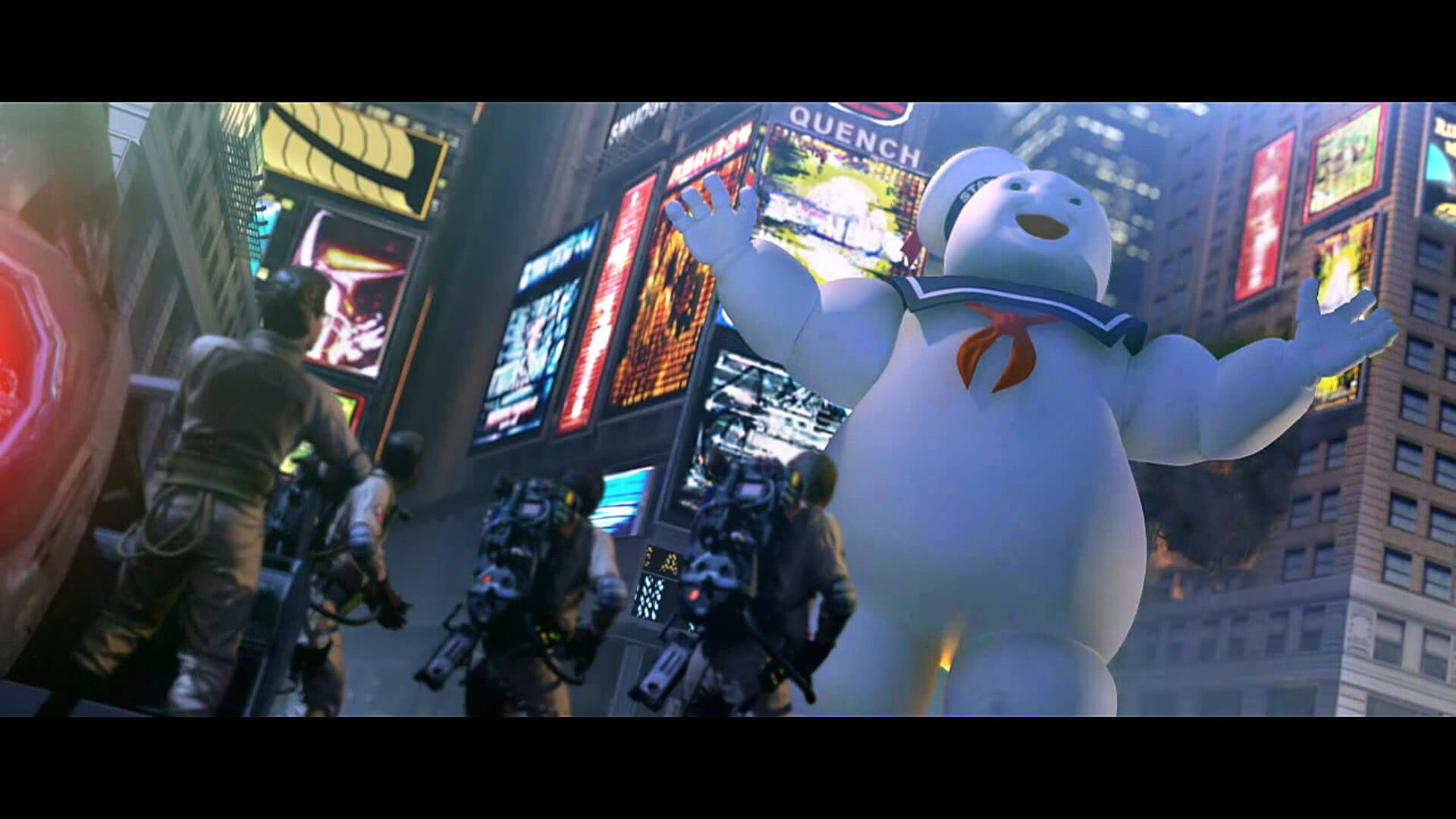
- Panic in Times Square
- The Stay Puft escalation that turns the problem from a contained bust into a public disaster.
- Checking Out the Library
- The moodier library chapter, where the investigation side of the game comes back into focus.
- Museum of (Super)Natural History
- The museum return, with heavier Gozer and Shandor lore in the middle of the campaign.
- Return to the Sedgewick
- The second hotel run, built around a familiar setting that has gotten much worse.
- Lost Island Rising
- The late-game turn toward Shandor’s larger plan and the ghost-world scale of the threat.
- Central Park Cemetery
- The endgame chapter, where the containment crisis and the city’s backlog of trapped entities finally collide.
Disturbance Ground Zero
This is the opening setup at the Natural History Museum. It introduces the rookie, reintroduces the Ghostbusters, and establishes that New York is dealing with more than one stray haunting. It also starts threading Ivo Shandor and Gozerian history back into the story.
It is the table-setter. It teaches the basics while hinting that the city is sliding toward something much bigger.
Welcome to the Sedgewick Hotel
The Sedgewick is one of the campaign’s strongest early missions because it leans directly into Ghostbusters memory. Slimer is back in his old favorite haunt, and the hotel gives the game a great mix of hallways, ballrooms, service areas, and classic ghost-chasing chaos.
This is also where the campaign starts feeling less like an intro and more like a real case file.
Panic in Times Square
If the Sedgewick reconnects the game to the films, Times Square blows the scale back open. Stay Puft returns and the city starts looking like a place the Ghostbusters may not be able to contain so neatly this time. It is a loud chapter on purpose. The campaign needs that burst.
It also helps mark the shift from local disturbance to wider public crisis.
Checking Out the Library
The library chapter taps straight into one of the franchise’s best settings. It gives the game a moodier supernatural feel again after the bigger spectacle of Times Square. More importantly, it keeps tightening the connection between the current disturbances and the deeper history sitting under the city.
This is where the campaign starts feeling more investigative again.
Museum of (Super)Natural History
The museum material takes the Shandor angle further and gives the game one of its strongest combinations of lore, action, and atmosphere. It is also one of the chapters that helps explain why the campaign works so well as a sequel story. The game is using familiar Ghostbusters icons, yes, but it is also building a larger supernatural framework around them.
Return to the Sedgewick
Returning to a familiar location is a good Ghostbusters move when it is done right, and it works here. The campaign gets to show how much worse things have become, while also giving the player a place they already know well enough to feel the difference. That contrast does a lot of work.
Lost Island Rising
This is the stretch where the story pulls harder toward Shandor, the ghost world, and the larger scale of the threat. By now the game is no longer content to be a series of disconnected busts. It wants to pay off the buildup and send the team somewhere stranger and more dangerous than the earlier city cases.
If the front half of the game is about escalation, this is where the bigger plan comes fully into view.
Central Park Cemetery
This is the final mission push, and it feels like one. The containment grid crisis, the flood of released entities, and the scale of the supernatural damage all make it clear that the game is cashing in the story’s accumulated pressure. It is the campaign’s endgame chapter and the one that ties the city’s haunting problem back to the Ghostbusters’ entire captured-history backlog.
The mission order
The sequence does a few smart things. It gives us familiar franchise landmarks early. It widens the scope without losing the humor and team chemistry. It keeps folding story and setting together so the next level never feels random. And it saves the more openly apocalyptic material for later, once the campaign has earned it.
The game still feels coherent because the missions do more than give us places to fight ghosts. They are the structure of the story.
Be the first to comment