
Before anybody goes scorching wallpaper and blowing chandeliers off the ceiling, it helps to know what the pack can actually do. One of the reasons Ghostbusters: The Video Game still feels good to play is that the proton pack is not treated like a single boring default weapon. The game gives players a full toolset, and each piece changes how encounters play out.
Think of the gear as a real toolset instead of one regular beam with a few bonus attachments, and the whole combat system gets easier to read.
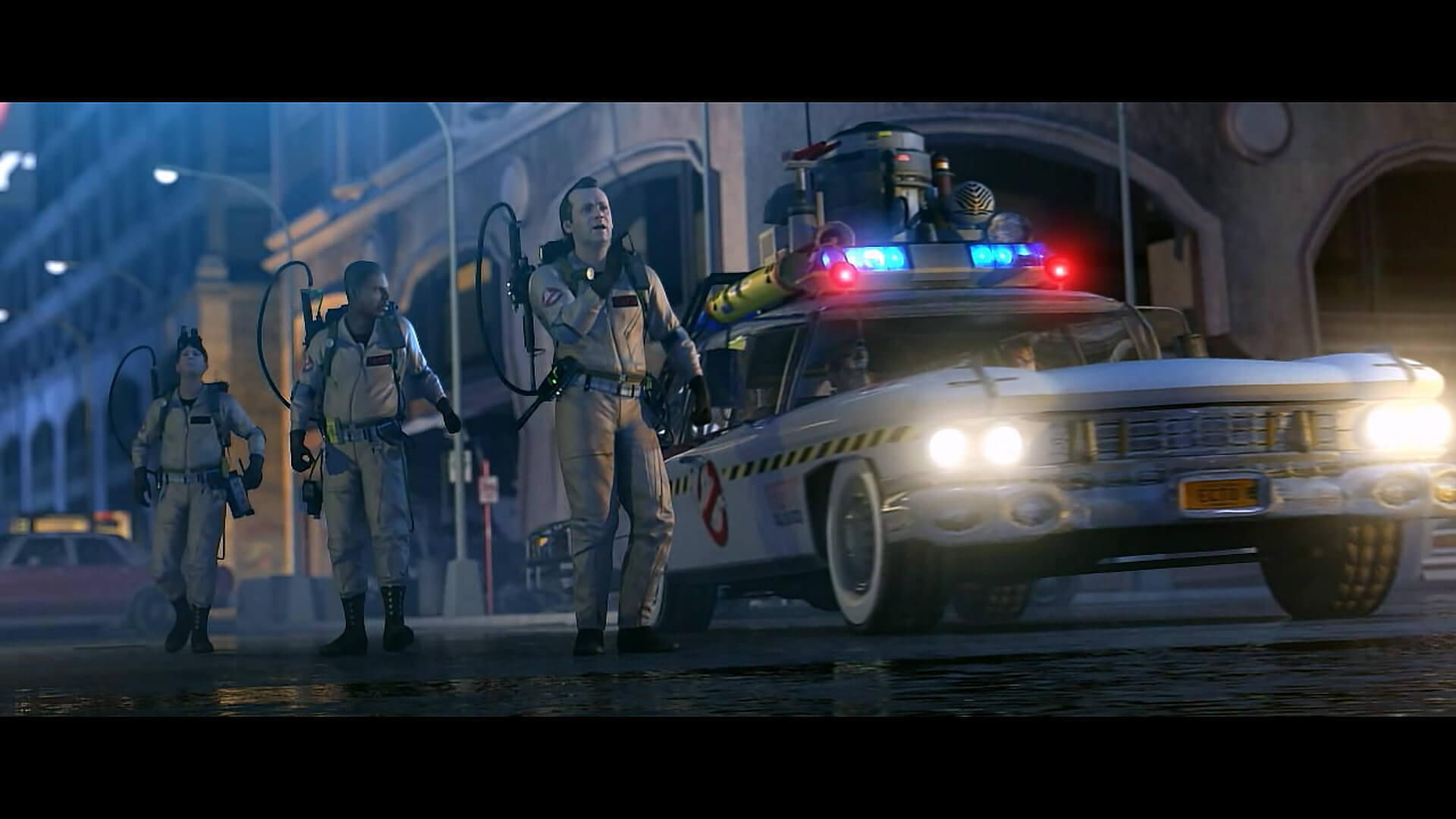
The Proton Stream is still the foundation
The basic Proton Stream is the first thing most of us think of, and for good reason. It is the most familiar tool in the game, the most visibly Ghostbusters piece of equipment, and usually the first answer when you need to start stripping PK energy off a target.
It is reliable, accurate, and central to the whole wrangling loop. In a lot of encounters, the smartest first move is still to start with the Proton Stream and read the situation from there.
The capture gear is what turns damage into a bust
The game’s combat loop goes beyond blasting. It is about weakening, wrangling, slamming, and trapping, and the capture side of the gear is what turns damage into an actual bust.
Once a ghost is ready, the Capture Stream lets you hold it, fight its movement, and wear it down into a state where you can finish the job with a trap. That back-and-forth is a big part of why the game feels like Ghostbusters instead of a generic shooter. You are trying to control a dangerous supernatural mess long enough to box it, not simply shave down a health bar.
The Boson Dart hits harder when you need a punch
The Boson Dart gives you a heavier hit than the basic stream and is useful when you need stronger direct damage. It is not the answer to every problem, but it gives the pack some real bite against tougher targets and helps vary the rhythm of combat so every encounter is not solved with the exact same motion.
The Shock Blast is great for fast, annoying threats
Some enemies are not best handled with careful beam-tracking from a distance. Some need to be knocked back hard and fast. The Shock Blast helps most in exactly that kind of fight. It is especially handy when smaller threats crowd you, rush you, or make the room feel too busy to manage comfortably with the Proton Stream alone.
That distinction changes the feel of several encounters in a hurry.
The Slime gear gives the pack a different job
The slime-based gear is one of the things that helps the game push beyond a simple movie cosplay kit. It lets the Ghostbusters interact with the environment in different ways, solve specific problems, and deal with targets or obstacles that the regular proton gear is not meant to answer cleanly.
That keeps the equipment layer tied to both combat and puzzle-solving. The best Ghostbusters tech was never only about making a bigger boom.
The PKE Meter and goggles do more than look cool
The PKE Meter and Paragoggles are part of what makes the game feel investigative. They are more than flavor props. They help you track activity, find hidden points of interest, identify trails, and scan objects or entities for your Spirit Guide and related progress systems.
That side of the kit is a big reason the campaign feels like field work. You are not only fighting. You are reading a haunted space.
Upgrades are part of the identity of the pack
The guide material makes it clear that the proton pack is not static. The new hire is testing experimental equipment, and the pack can be improved as the campaign moves forward. That upgrade path sells the idea that this is more than iconic gear. It is gear being refined under live-fire conditions, which is exactly the kind of reckless workplace logic the Ghostbusters would probably call progress.
Know when to switch tools
The best way to think about the toolset is not as a ranked list from best to worst. It is a problem-solving spread. Some tools are stronger against agile pests. Some help with crowd control. Some are better for raw damage. Some are built around wrangling. Some help you read the room in the first place.
One generic equipment paragraph is never enough here. The gear only really clicks once you separate upgrades, special functions, and the situations each tool is built to handle.
Think tool first, not damage first
Once the different streams click, fights stop feeling like chaos and start feeling like field work. The question becomes simple: what does this room need right now?
- steady pressure from the Proton Stream
- a harder hit from the Boson Dart
- close-range control from the Shock Blast
- slime gear for the oddball problems proton energy is not built to solve
- PKE and goggles when the real job is tracking, reading, and scanning
That is when the equipment layer starts feeling like Ghostbusters work instead of a generic shooter loadout.
Be the first to comment