
Going back to the Sedgewick is a good idea because the game already taught us how that place is supposed to feel.
That gives Return to the Sedgewick an easy advantage. The player walks in carrying a memory of the earlier hotel chapter, so the game does not have to waste time explaining why the place matters. It can spend that energy showing how much worse things have gotten.
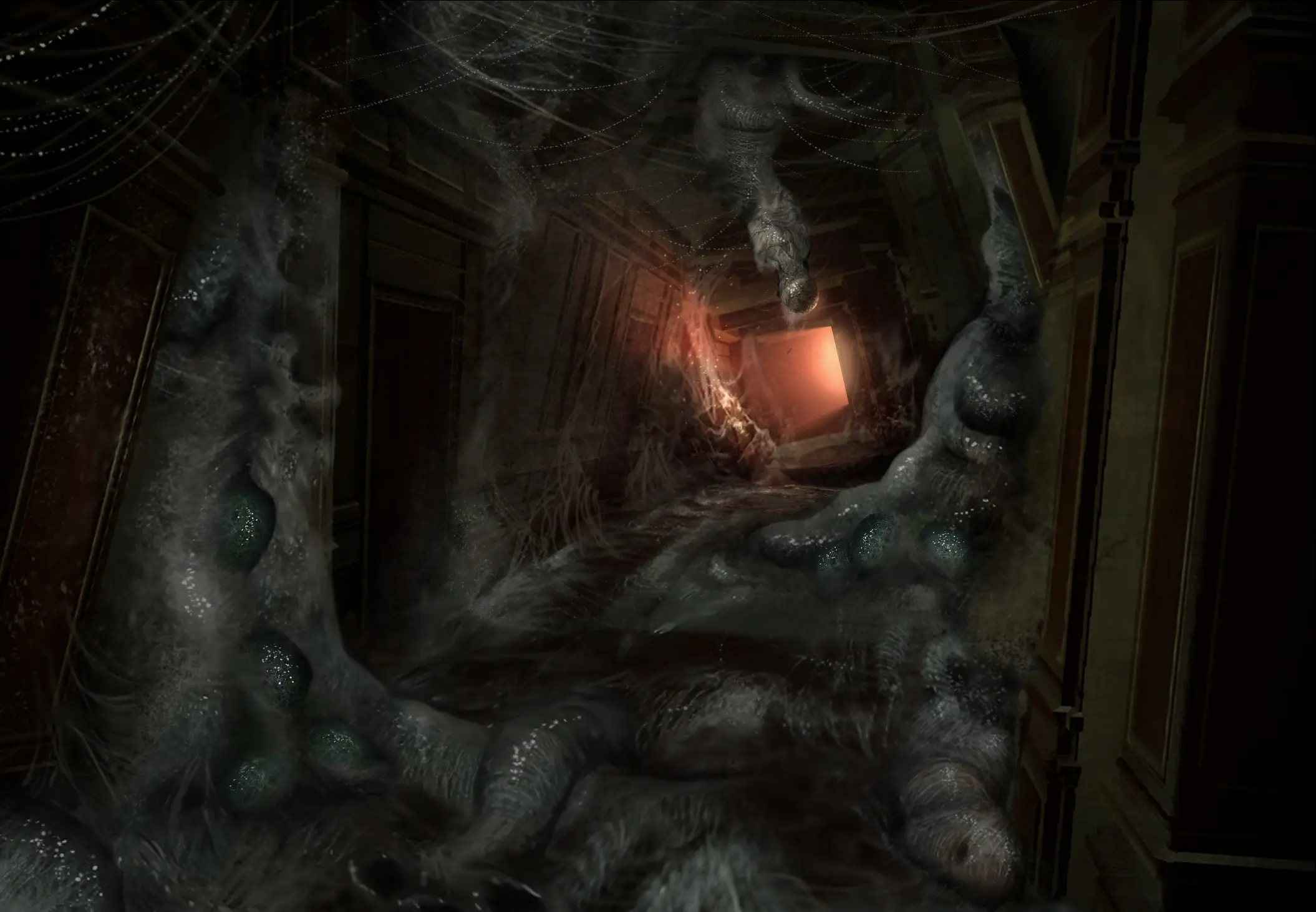
The return visit
Revisiting a location can feel lazy if a game has nothing new to say. This chapter avoids that problem because the hotel is no longer just a fun early haunting. It has become a measuring stick for escalation.
The first Sedgewick mission says, this place is haunted. The return visit says, the city’s whole ghost problem is no longer containable in the way it was before.
Familiarity and tension
One of the best things about a return trip is that the space is no longer unknown. That means the chapter can create unease in a different way. Instead of asking what is around the next corner, it asks what has changed since the last time the team was here.
That kind of tension is useful. Familiarity does not make the location safer. It makes the damage easier to read.
What stands out on a first run
- how the chapter uses an already memorable location to show larger escalation
- how the return to the hotel feels less playful and more ominous than the first visit
- how the campaign uses repetition with purpose instead of padding
- how much stronger a location can feel once the player already knows its layout and mood
The campaign pacing
The campaign needs moments where earlier material pays off in a changed form. That is part of what makes the world feel connected instead of disposable. Returning to the Sedgewick gives the story one of those payoffs.
It also helps the back half of the game feel more personal. The city is not only filling with new trouble. Old trouble spots are becoming unstable again too.
What people remember
People remember it because it turns an already successful early chapter into something heavier. The Sedgewick is still recognizably the Sedgewick, but it no longer feels like a self-contained case file. It feels like a piece of a wider supernatural breakdown.
That is the kind of reuse licensed games often fail to pull off. Here, it works because the story has earned the return.
The chapter’s payoff
Return to the Sedgewick lands because it takes a familiar place and lets the player feel the campaign’s widening damage inside it. The hotel is not only back. It is back under worse conditions, and that tells us a lot about where the story is headed.
That is why the chapter feels worthwhile. It is a return, but it is not a repeat.
Be the first to comment