
Panic in Times Square is where the campaign stops feeling like an indoor haunting problem and starts feeling like a full New York event.
The Sedgewick Hotel gives the game one of its best early Ghostbusters spaces. Times Square does something different. It blows the doors open and reminds us that once Ghostbusters trouble escapes into the city, everybody can see it.
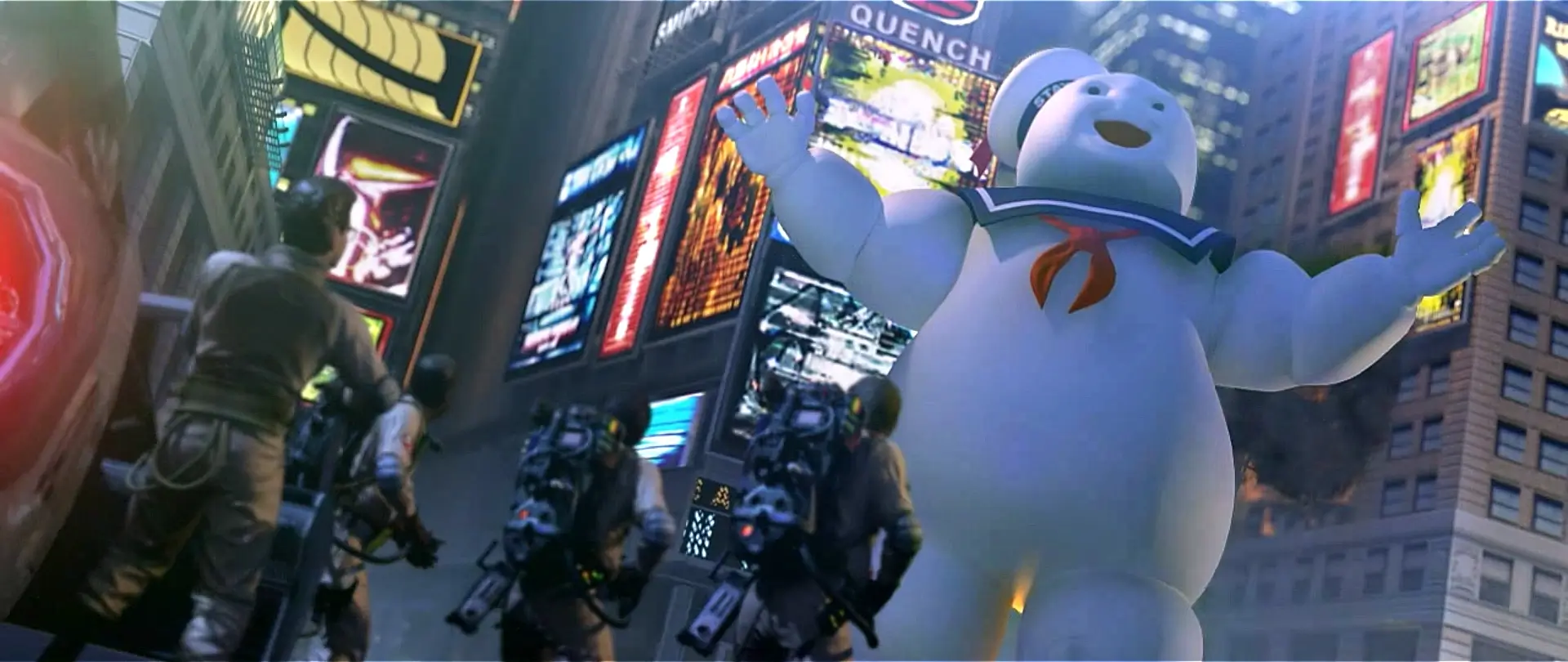
When the game blows the doors open
By the time you step into Times Square, the game has already reestablished the team, the Rookie, and the city’s rising supernatural instability. This mission takes that tension and puts it on public display.
Stay Puft helps a lot here. The game does not need to explain why his return matters. The moment he enters the scene, the chapter starts carrying a bigger kind of Ghostbusters energy. The threat is huge, visible, and impossible to wave away.
How it changes the campaign
This mission is a hinge. It follows the tighter interior chaos of the Sedgewick and pushes the campaign into a much more public lane. That shift matters because the story cannot stay a series of private ghost incidents forever. If the city is sliding toward another supernatural disaster, we need to feel the scale widening.
Times Square is where the game lets that happen.
Stay Puft
Stay Puft could have been a lazy callback. Instead, he works because the mission knows what he is for. He is there to signal that the old Gozerian trouble is rising again in a way nobody in New York can ignore.
He also gives the chapter the right mix of absurdity and danger. That balance is a huge part of Ghostbusters when it is firing on all cylinders.
What stands out on a first run
- how the chapter uses space and spectacle differently from the hotel mission
- how public the haunting becomes once the action moves into Times Square
- how the game uses a familiar franchise image to raise the temperature fast
- how the city itself starts feeling like the battlefield now, not only the room you are standing in
What sticks
People remember Panic in Times Square because it feels like a real Ghostbusters escalation beat. The earlier chapters build the case. This one throws the doors open and says, yes, this is getting big again.
That kind of mission placement matters. It gives the campaign a jolt at exactly the moment it needs one.
The chapter’s payoff
If the Sedgewick chapter proves the game can capture Ghostbusters mood, Panic in Times Square proves it can handle Ghostbusters scale. Once Stay Puft is back in the middle of New York, the campaign is no longer warming up. It is rolling.
Times Square concept gallery
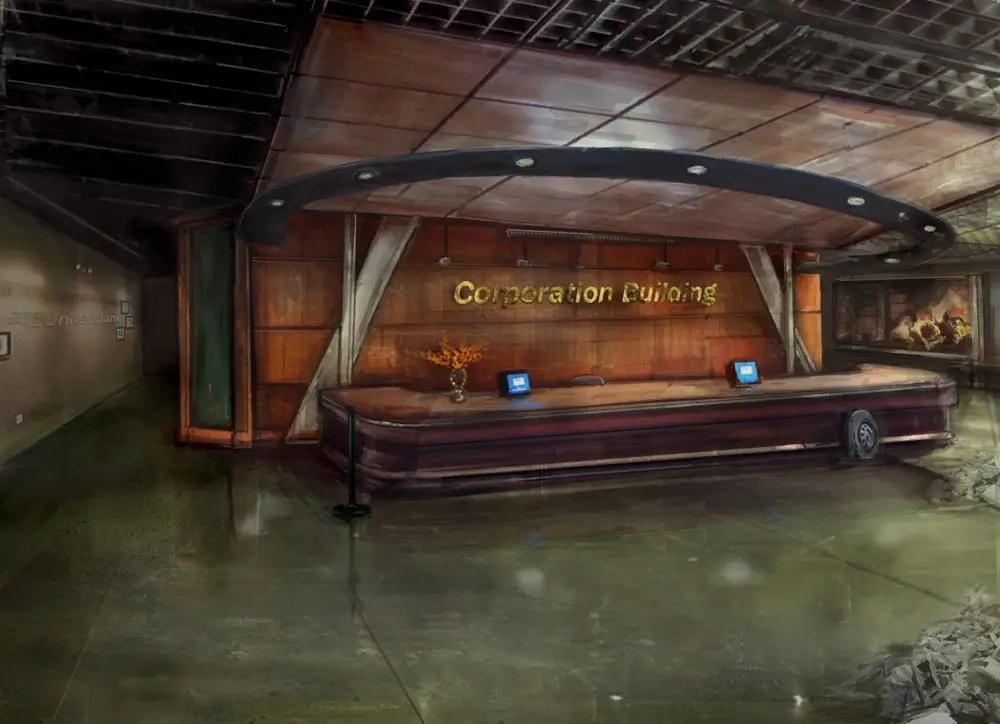
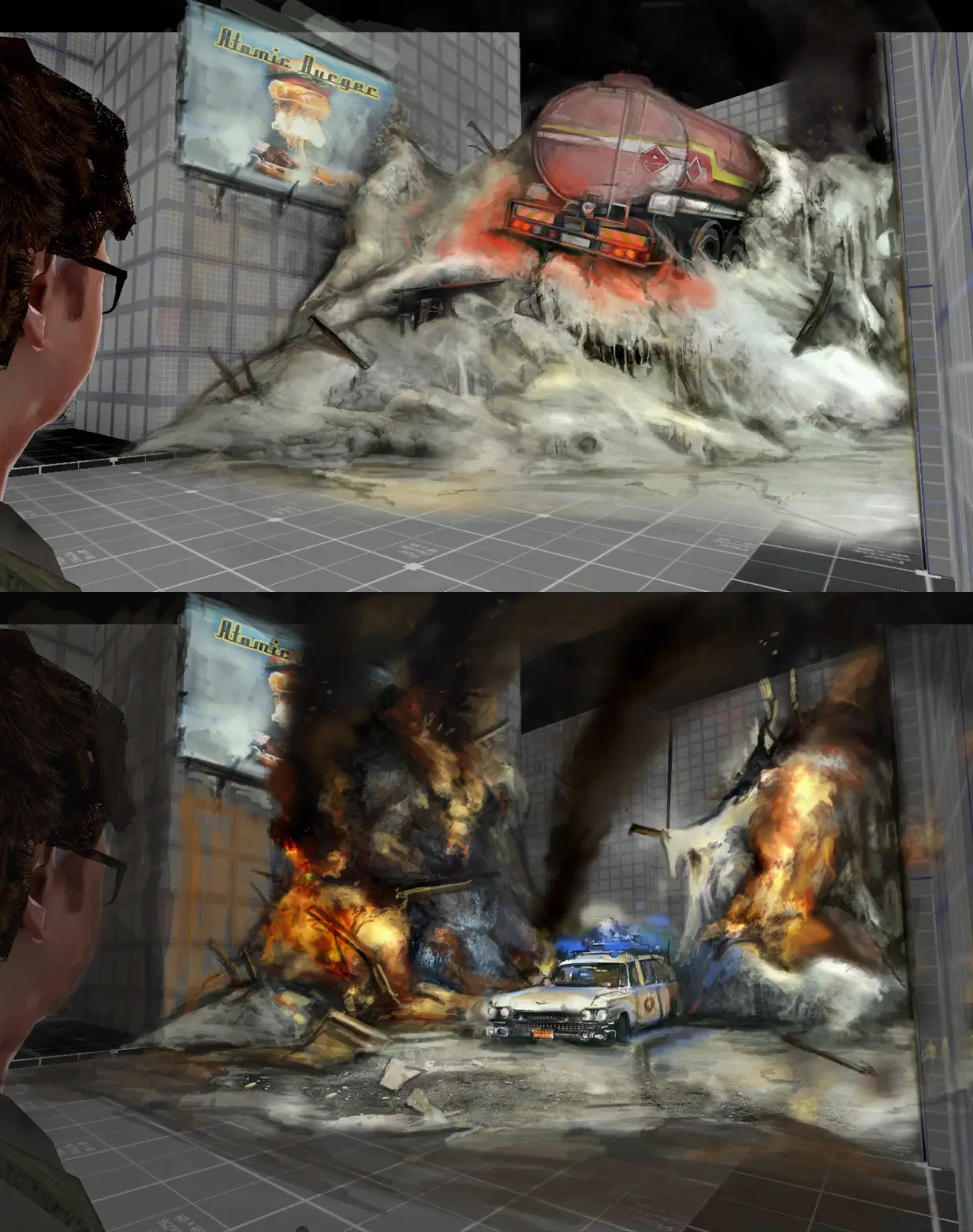
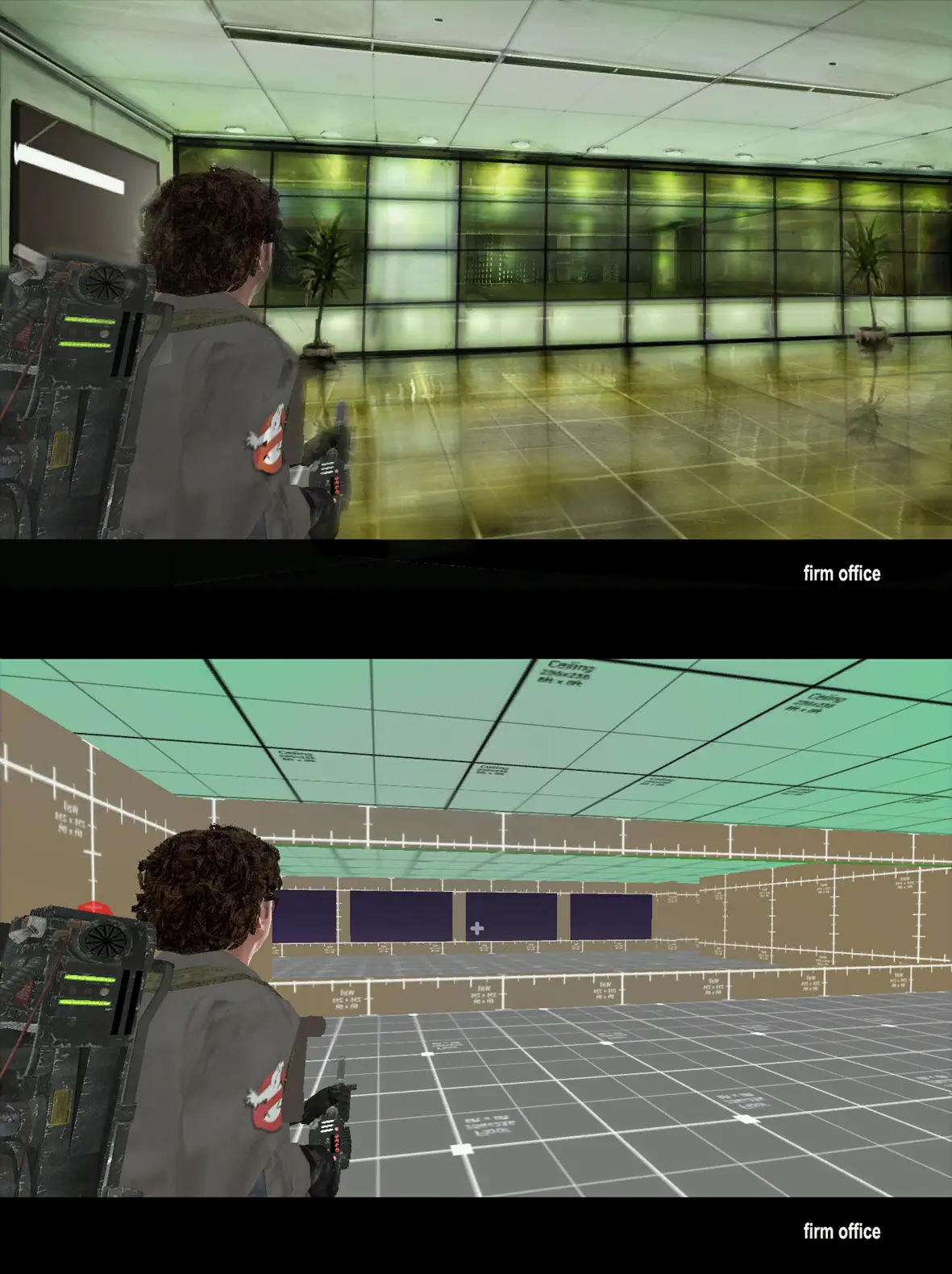
Source note: the concept gallery images on this page come from Spook Central’s realistic-version unlockable gallery.
Be the first to comment