
Museum of (Super)Natural History is one of the places where the campaign fully settles into its own supernatural mythology.
The game started at the museum, so coming back into that world later feels right. By this point, though, the story knows a lot more about what it is dealing with. The museum is no longer only a spooky opening location. It has turned into part of the larger Shandor problem.
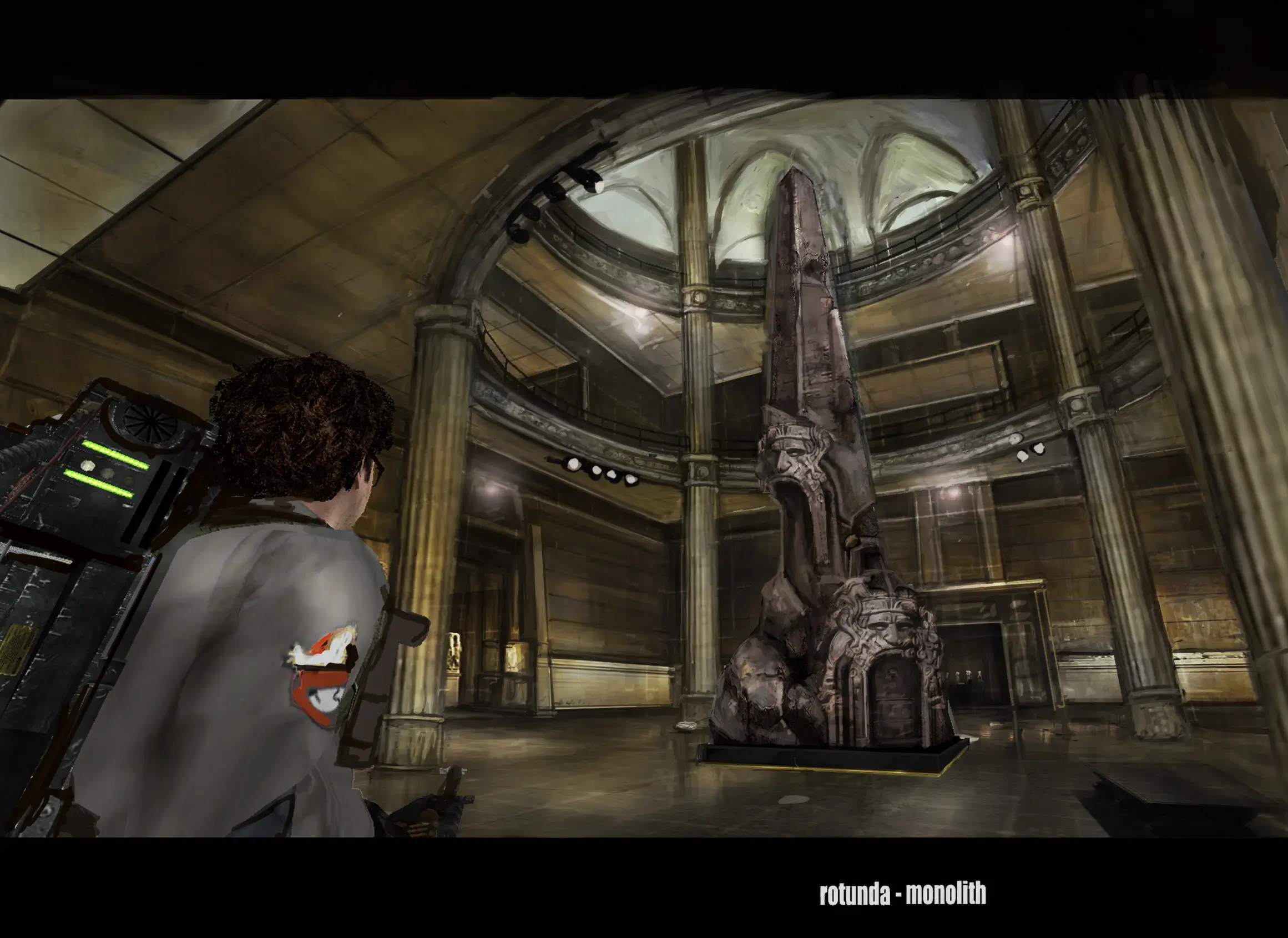
Gameplay screenshots


The museum, revisited
Early in the campaign, the museum feels like the first sign that old trouble is waking up. In this chapter, it feels like proof. The game has had time to build its case, and now the museum material can carry more weight because the story around it has thickened.
It turns the chapter from a neat return visit into a real escalation point.
The Shandor thread
A lot of licensed games struggle when they try to add new lore to an established world. Ghostbusters: The Video Game gets away with it because it keeps tying the new material back into the old spiritual architecture of the franchise. Shandor does not feel like a random late addition. He feels like buried trouble finally stepping into the light.
The museum chapter benefits from that more than most. It gives the campaign a place where cursed history, artifacts, occult residue, and old Ghostbusters-style mystery all belong in the same room.
What stands out on a first run
- how much darker and more lore-heavy the campaign feels by this point
- how the museum shifts from eerie backdrop to real story engine
- how naturally the chapter folds Shandor material into Ghostbusters atmosphere
- how the game makes haunted objects and history feel like active threats instead of decoration
What it does for the sequel story
If the game wanted to coast on movie affection alone, it could have stayed in lighter franchise-reunion territory. This chapter shows it is aiming for more than that. It is willing to let the world get stranger, older, and a little meaner.
That gives the story more backbone. The campaign is not only checking off familiar Ghostbusters icons. It is building a real supernatural problem with its own shape and history.
What people come back to
People come back to Museum of (Super)Natural History because it is one of the chapters where the game’s ambition shows most clearly. It wants to be funny and familiar, yes, but it also wants to feel haunted in a deeper way than a simple bust-of-the-week structure would allow.
The museum gives it the perfect stage for that. It is eerie, story-rich, and loaded with the kind of old-world unease Ghostbusters has always used so well.
The chapter’s payoff
Museum of (Super)Natural History lands because it takes the campaign’s earliest signs of trouble and turns them into something heavier. The museum no longer feels like the place where the weirdness started. It feels like one of the places where the truth can no longer stay buried.
That is why the chapter sticks. It revisits an old location, but it also deepens the whole story.
Be the first to comment