
Lost Island Rising is the chapter where the campaign stops circling the bigger mystery and walks straight into it.
By this point, the game has already spent plenty of time hinting at Shandor, old cult activity, spiritual residue, and the sense that New York is drifting toward another large-scale disaster. Lost Island is where those threads stop feeling abstract.
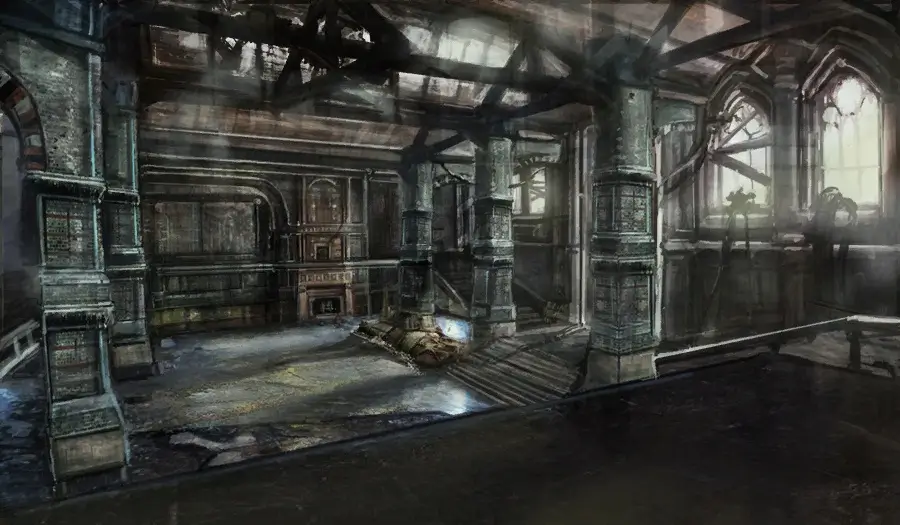
The story gets stranger
If the back half of the campaign kept operating only on city-block hauntings and familiar landmarks, the buildup would start to feel constrained. The story needs a place where the scale can widen and the weirder supernatural architecture can finally show itself.
That is why Lost Island works. It gives the game a place where the escalation can become open, bizarre, and a little grandiose without breaking the Ghostbusters frame.
The Shandor material
Earlier chapters build Shandor as a presence. Lost Island lets that presence become a world. The game no longer has to gesture at hidden history from the edges of museums, libraries, and haunted Manhattan buildings. It can let the whole setting carry that story.
That makes the campaign feel like it is crossing a threshold. The team is not only cleaning up hauntings anymore. They are walking into the architecture of the problem itself.
What stands out on a first run
- how boldly the chapter leaves ordinary New York behind
- how much the setting feels tied to Shandor’s larger spiritual machinery
- how the game lets the story get weirder without losing the Ghostbusters tone entirely
- how the chapter signals that the endgame is now close enough to touch
The threshold feeling
Some missions feel like chapters inside a campaign. Lost Island Rising feels like a threshold crossing. Once the team gets here, the game does not really get to pretend it is still dealing with an unusually rough week of ghost calls. The supernatural crisis has become too large and too old for that.
That is why the mission carries so much energy. It feels like the campaign walking through a door it cannot close again.
What people remember
People remember it because it is one of the places where the game feels most willing to commit to its own sequel mythology. That is not always easy for licensed material. Some games stay nervous about stepping too far outside the safest nostalgia beats.
Lost Island Rising does not. It trusts the campaign enough to get bigger, stranger, and more overtly supernatural.
The chapter’s payoff
Lost Island Rising lands because it turns all the earlier hints into a place the player can actually walk through. The chapter feels strange on purpose. It is supposed to. The game is no longer whispering about buried danger. It is standing inside it.
That is what makes the mission stick. It is the point where the campaign stops looking at the edge of the abyss and steps closer.
Be the first to comment