
Ghostbusters on NES does not name every sprite cleanly, so the most useful way to handle the enemy side of the game is to separate the clearly identifiable endgame threats from the generic ghosts that pressure the rest of the run.
This is not a giant bestiary page. It is a practical guide to the things that actually ruin runs.
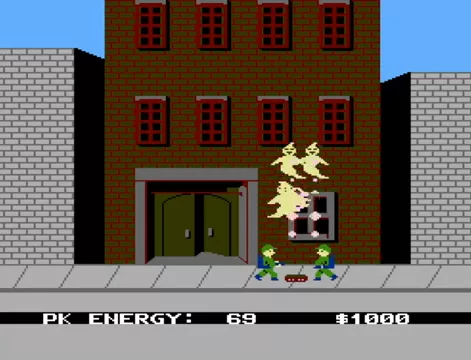
The main kinds of trouble in Ghostbusters on NES
Most of the game’s pressure comes from four places:
- street ghosts on the city map
- building ghosts you trap for cash
- road hazards that chip away at your money
- Zuul, Gozer, and the endgame threats that punish weak preparation
That is enough to shape almost every run.
Street ghosts
Street ghosts are part opportunity and part pressure management.
If you own the Ghost Vacuum and the road is safe enough, clearing them helps the run instead of leaving the city to get more chaotic. Players who treat roamers like decoration usually make the game harder than it needs to be.
Haunted-building ghosts
These are the ghosts that actually pay the bills.
You trap them, cash them in, and keep the business alive. The important thing here is not memorizing a fake roster. It is knowing whether your beam placement, trap setup, and timing are strong enough to keep these captures efficient.
Road hazards
Cars and collisions are not supernatural, but the game uses them like enemies anyway.
If your driving gets sloppy, your money disappears. That lost money turns into weaker shopping, shakier upgrades, and a worse endgame. Plenty of failed runs were really road-problem runs in disguise.
The PK meter as an invisible enemy
The PK meter is one of the most important threats in the whole game.
It does not look like a monster, but it behaves like one. Every slow route, every ignored problem, and every messy loop gives it room to become the larger issue later.
Zuul’s stairway ghosts
The final climb is where the abstract pressure turns into direct survival.
This is where the stairway tools finally cash in:
- Ghost Food distracts stairway ghosts and gives you two uses.
- Sound Generator slows them down, if you can justify the price.
- Anti-Ghost Suit gives you six extra hits.
If you ignored those tools completely, this is usually where the game starts collecting on that decision.
Stay Puft Marshmallow Man
Stay Puft adds real endgame pressure. He is more than a funny visual callback.
By the time he enters the picture, the run is already under strain. If you reach that point under-equipped or low on money, the room for mistakes gets a lot smaller.
Zuul
Zuul is the force the whole run has been building toward.
The important thing about Zuul is what reaching Zuul means mechanically: the city loop is over, and the game is now asking whether your preparation was good enough.
Gozer
Gozer is the final boss, but Gozer is not the only reason the ending feels hard.
A strong run makes Gozer feel like the last test. A shaky run makes Gozer feel unfair because the damage was already done on the map, in the shop, and on the road.
Gozer’s guardian beasts
Two blue guardian creatures appear beside Gozer in the final battle.
The game does not label them clearly on-screen, so it is safest to treat them as unnamed endgame guardians instead of forcing a name the game itself does not give them.
What actually ends runs
Most losing runs come back to the same enemy-side problems:
- ignoring street ghosts when they are easy money
- losing too much cash to road hazards
- letting the PK meter build unchecked
- reaching the stairway without the right support items
- getting to Gozer with no margin left
What players should really practice
If this page has one takeaway, it is this: practice the systems that get you to the boss in good shape.
That usually means:
- cleaner street driving
- better opening buys
- quicker recognition of when to go back to HQ
- arriving at Zuul with margin instead of desperation