
Ghostbusters: The Video Game teaches the basics well, but it also has a way of punishing players who only half-learn them. The campaign gets smoother once you stop treating every fight like a straight damage race and start thinking like a working Ghostbuster: control the room, use the right stream, and do not let panic set the pace.
These are the habits that help most, especially early on when the game is still teaching you through Slimer, the hotel, and the first crowded museum fights.
1. Learn the basic wrangling rhythm first
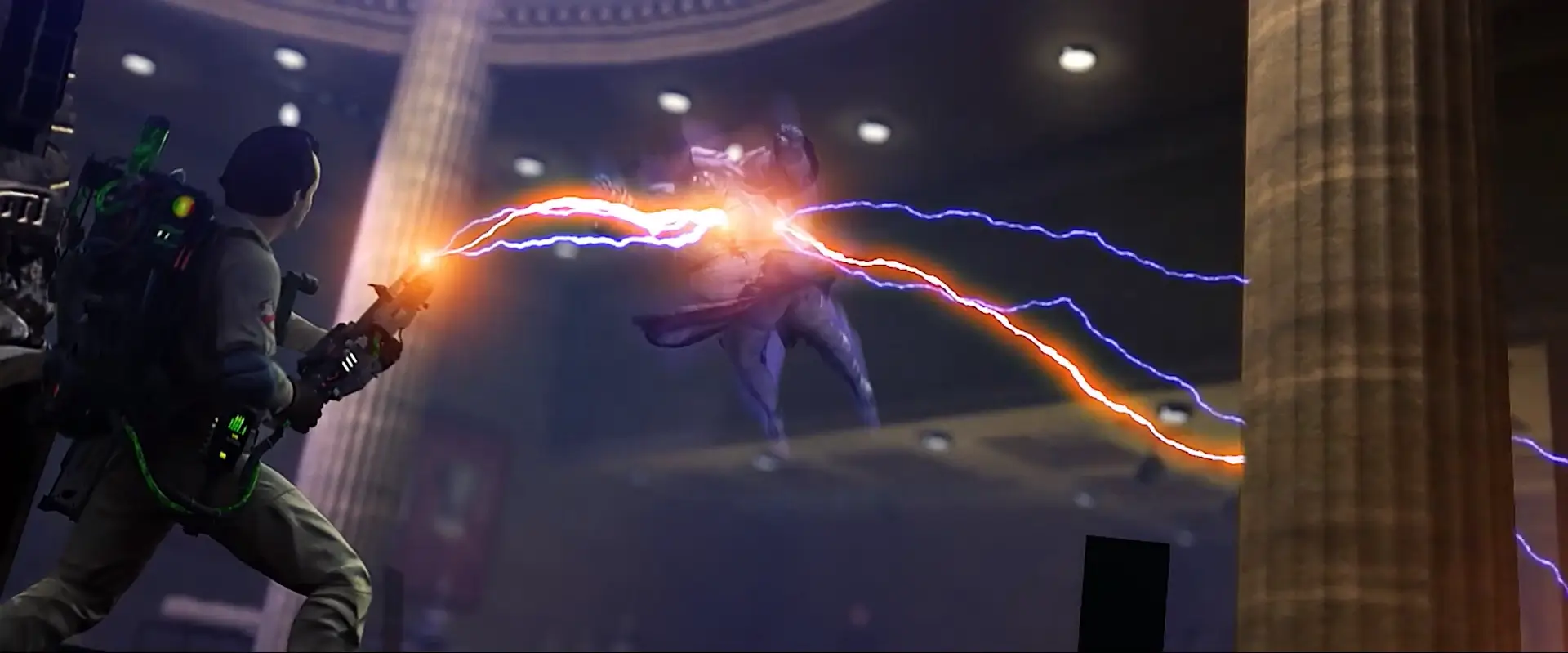
The core loop still matters more than any clever trick. Wear the target down, switch cleanly into the capture phase, slam when it helps, and keep enough control of the line that the trap phase does not turn into a wrestling match you lose at the last second.
If you need the fuller breakdown, start with Ghost Wrangling in Ghostbusters: The Video Game.
2. Stop overusing one stream for every problem
The Proton Stream can carry a lot of fights, but the game clearly wants you to graduate past that. Boson Darts are great for pressure and interruption, the Shock Blaster clears swarms fast, the Slime Blower solves specific black slime and possession problems, and the Stasis Stream buys breathing room when a heavier enemy is crowding you.
The clean companion page here is Tools of the Trade in Ghostbusters: The Video Game.
3. Keep moving, even when you think you have control
A lot of bad hits in this game come from standing still half a second too long. Ghosts rush, statues throw, crawlers swarm, and bosses punish straight-line laziness. The player who keeps adjusting position usually survives longer than the player who only aims better.
4. Clear the little problems before they become big ones
Book Bats, crawlers, fliers, and marshmallow spawn are easy to dismiss until they start interrupting everything else you are doing. The game loves pairing a major threat with smaller irritants. If the room is getting noisy, take two seconds to thin the swarm instead of pretending you can tank through it.
The best supporting hub for that side of the game is Other Corporeal Entities in Ghostbusters: The Video Game.
5. Read the room, not only the enemy
Black slime, environmental clutter, narrow floors, ledges, and destructible scenery all change how safe a fight actually is. Some encounters are dangerous because of the ghost. Others are dangerous because of where the ghost is standing when the room starts to come apart.
6. Treat scans, side markers, and cleanup work as part of the job
The game feels better when you stop treating collectibles and scan data like chores bolted onto the campaign. This is Ghostbusters. The records, the side details, and the weird field notes are part of the fantasy. You are not only winning fights. You are documenting a mess.
For that side of the section, use Unlockables and Supplemental Data in Ghostbusters: The Video Game.
7. Boss fights get easier once you respect the pattern
Most of the bigger fights look chaotic before they actually are. The trick is to stop reacting to them like random noise. Bosses usually have a clear job to solve first, whether that means stripping a shield system, controlling spawned enemies, exposing a weak point, or using a specific tool the right way.
8. Use the campaign pages when you get stuck
If a chapter is giving you trouble, bounce out to the mission pages instead of brute-forcing the same mistake. The walkthrough layer is there for a reason, and the broad Levels and Missions page is the fastest place to start.
The real rookie lesson
The game gets much easier once you stop trying to outshoot every problem and start trying to out-manage it. Control the crowd, pick the right tool, move with intent, and let the campaign teach you how each room wants to be handled. That is when you stop feeling like a new hire and start feeling like part of the team.