
Ghostbusters: The Video Game has always had an advantage that a lot of licensed games never get. It does not feel like some disposable side errand. It feels like a real Ghostbusters story.
Part of that comes from the cast. Bill Murray, Dan Aykroyd, Harold Ramis, and Ernie Hudson are all here, and the game treats the world like a continuation of the first two films instead of a random action spin-off. The other part is the setup. Instead of turning one of the four Ghostbusters into an awkward player avatar, the game makes the player the Experimental Equipment Technician, the new recruit brought in to test the unstable gear.
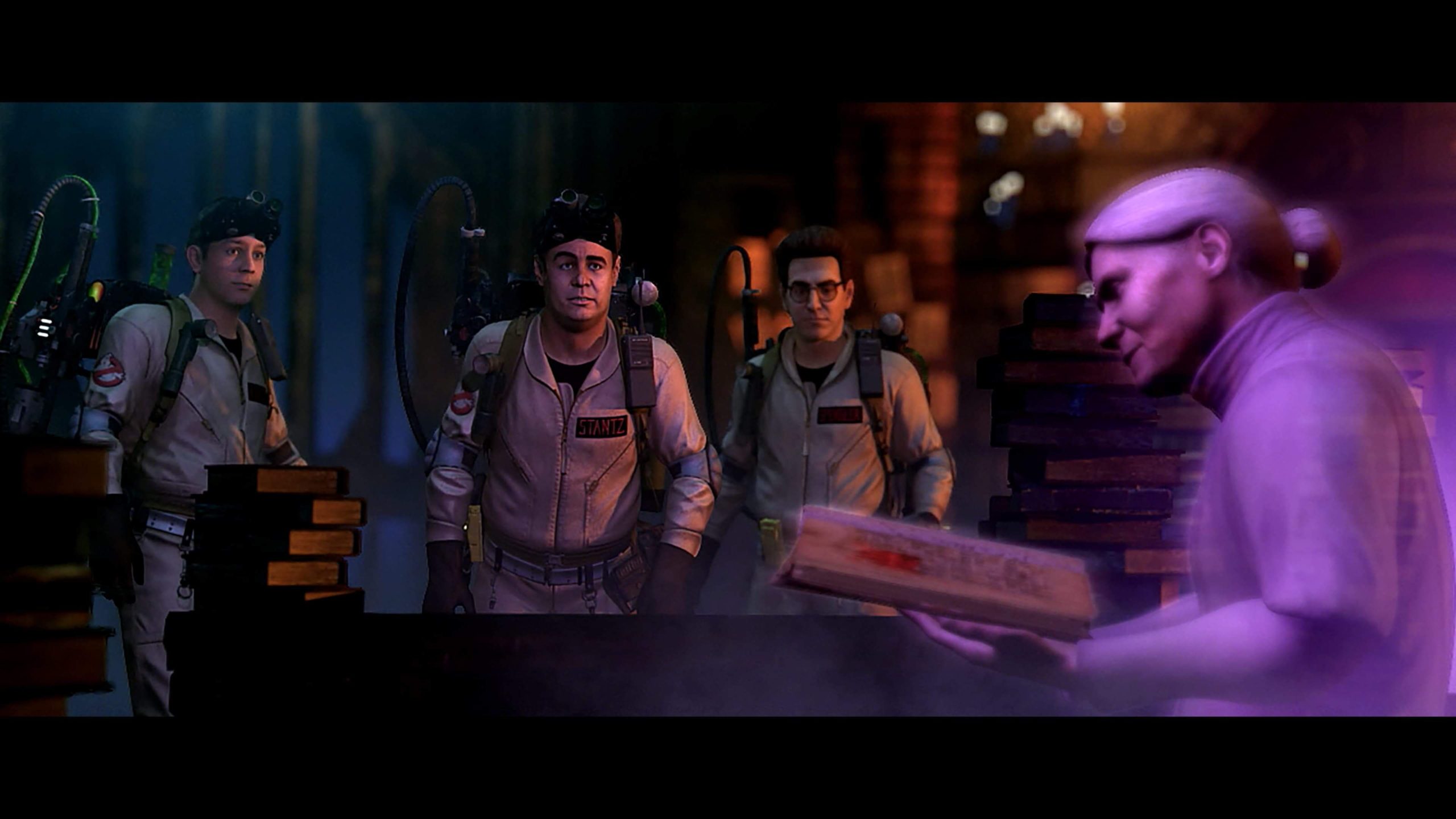
The game picks up after Ghostbusters II
The story is set a couple of years after Ghostbusters II. Business is quiet enough that the team is doing demos and smaller work, but New York never stays normal for long. A disturbance at the Natural History Museum kicks off the trouble, and from there the city starts sliding back into the kind of supernatural chaos only the Ghostbusters ever seem to get blamed for and then asked to fix.
That museum opening does more than start the action. It points the story toward Ivo Shandor, Gozer, old cult activity, and a bigger web behind the hauntings than a simple ghost outbreak. The game keeps returning to that thread as it grows from strange disturbances into a full supernatural crisis.
The new-hire angle
One of the game’s best decisions is making the player the rookie. The player stays close to the team without replacing them. Egon brings the technical and scientific side. Ray brings the excited believer energy. Peter stays Peter. Winston keeps the whole thing grounded. Because the player is the new recruit, the game can explain equipment, ghost types, and mission logic without it feeling forced.
It also gives the group a fresh dynamic. The new recruit is useful from the start, but he is still the one who gets handed the unstable prototype gear and sent into the ugly part of the room first. That is very Ghostbusters.
The campaign moves through a strong sequence of locations
The mission flow is one of the reasons the game sticks in people’s heads. It does not dump you into a pile of disconnected combat arenas. It moves through locations that feel like Ghostbusters spaces.
The campaign moves through the Sedgewick Hotel, which immediately reconnects the game to the first film and to Slimer. It blows open in Times Square when Stay Puft returns. The library section taps straight back into one of the franchise’s most memorable settings. The museum work leans into Gozerian history and cursed artifacts. By the back half of the game, the story has widened into Shandor’s larger plan, the ghost world, and the fight to stop a full-scale disaster.
That is the real trick. The campaign escalates, but it still feels like Ghostbusters, not some louder generic action game wearing a proton pack.
It plays like a supernatural sequel with a game spine
If people call this the unofficial third movie, this is why. The story has jokes, team banter, familiar locations, franchise lore, and a villain thread that feels connected to what came before. At the same time, it still gives the campaign enough structure to feel satisfying. Every mission has a clean gameplay identity, and the story keeps feeding the next location instead of feeling stitched together.
A lot of movie games miss that balance. A lot of movie games either cling too tightly to the source material or run so far from it that the license starts feeling cosmetic. Ghostbusters: The Video Game lands in the sweeter spot. It gives us more time with these characters while still building a proper campaign around upgrades, ghost wrangling, scans, and environmental damage.
The story still works
It works because it sounds like Ghostbusters and moves like Ghostbusters. The team still bickers. Ray still gets excited. Egon still talks like Egon. Peter still tosses off lines like he is trying to win an argument he never needed to start. Winston still feels like the adult in the room when the temperature rises.
But there is also a structural reason it works. The game keeps moving between familiar franchise comfort and new threats. We get the Sedgewick. We get the library. We get Stay Puft. We also get the rookie angle, Shandor’s larger role, and a run of bigger confrontations that give the campaign its own identity.
Why it felt like Ghostbusters 3 for so long
Ghostbusters: The Video Game starts with a museum disturbance and grows into a city-wide supernatural crisis tied to Shandor and Gozerian history. The rookie gives the story a natural way into the team, and the campaign moves through some of the best Ghostbusters-style locations any game has ever used. It still has a hold on people because it feels like more time with the Ghostbusters we already loved, but with enough new material to stand on its own.
Be the first to comment